
EM-LIFT 1 AREA Gallery
$$MultiPurposeText$$
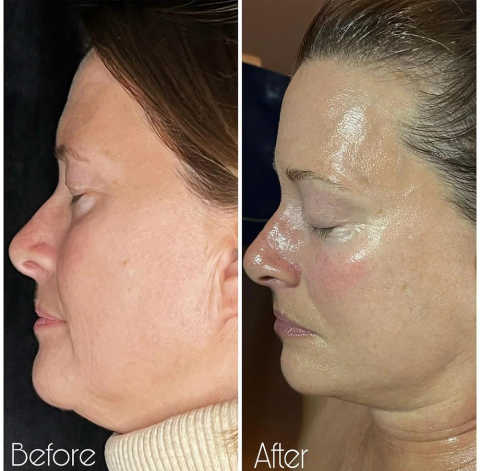
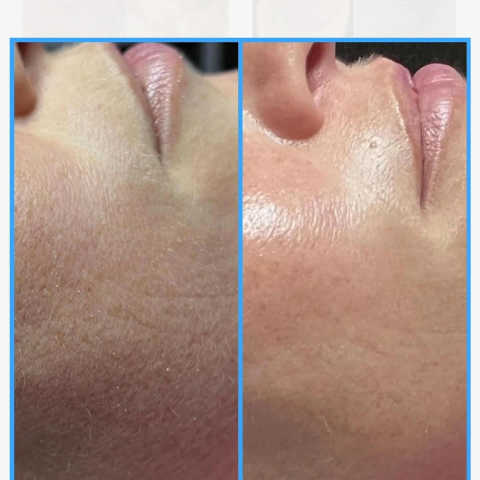
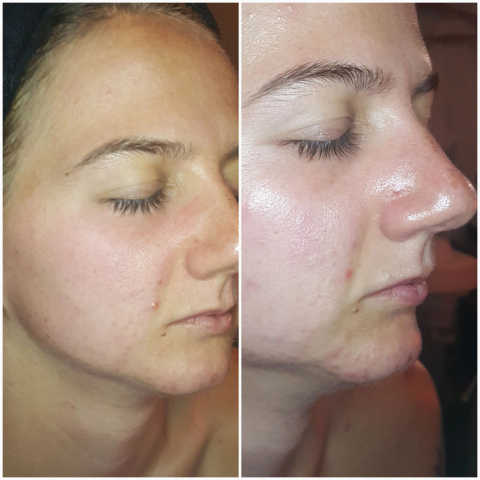
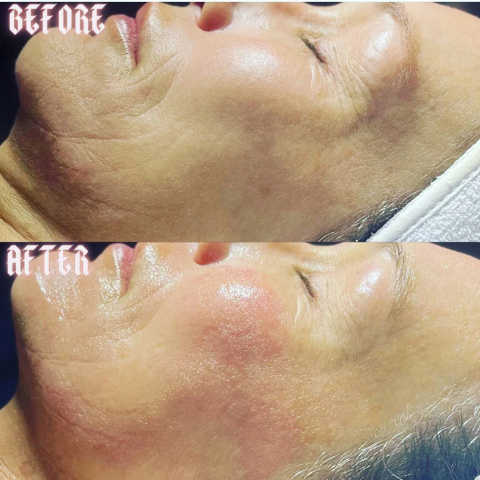
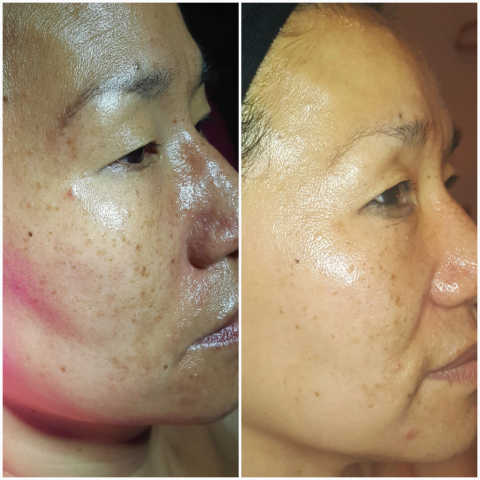
See examples of our EM-LIFT 1 AREA work and results.










What Our Clients Say
$$MultiPurposeText$$
Read testimonials from our satisfied customers

I had an incredible experience at Refinery 21 Studio with Brittany! I booked a Red Carpet ...more

Eliana was amazing. She is so thorough and knowledgeable about what is best for each skin ...more

The facials here are the best! Many of their facial include premium services like microder...more

Staff is highly professional, location is convenient with complimentary parking and servic...more

Always a great experience!

Super knowledgeable, kind staff

Frequently Asked Questions
Get answers to common questions about EM-LIFT 1 AREA.
EM-LIFT 1 AREA is designed for a single defined zone such as the lower face, jowls, cheeks, or neck. Your clinician will concentrate RF and HIFES energy on that one area per session for focused lifting and tightening.
Most clients benefit from a series of four to six treatments spaced about one week apart, though individual needs vary. Periodic maintenance sessions every few months help sustain muscle tone and continued collagen remodeling.
Most clients feel a warming sensation from RF and rhythmic muscle contractions from HIFES, which can feel unusual but is generally tolerable. Treatments are adjusted for comfort and breaks or cooling are available if needed.
Side effects are typically mild and short-lived, including redness, warmth, or slight muscle soreness similar to a workout. Most effects resolve within hours to a few days and you can resume normal activities immediately.
Ideal candidates seek non-surgical facial or neck tightening, have mild to moderate skin laxity, and are in good general health. A consultation will review your history, skin condition, and set realistic outcome expectations.
Some lifting and tightening may be noticeable immediately from tissue contraction, but progressive improvement occurs over four to twelve weeks as collagen remodels and muscles strengthen. Optimal results typically follow the full treatment series.